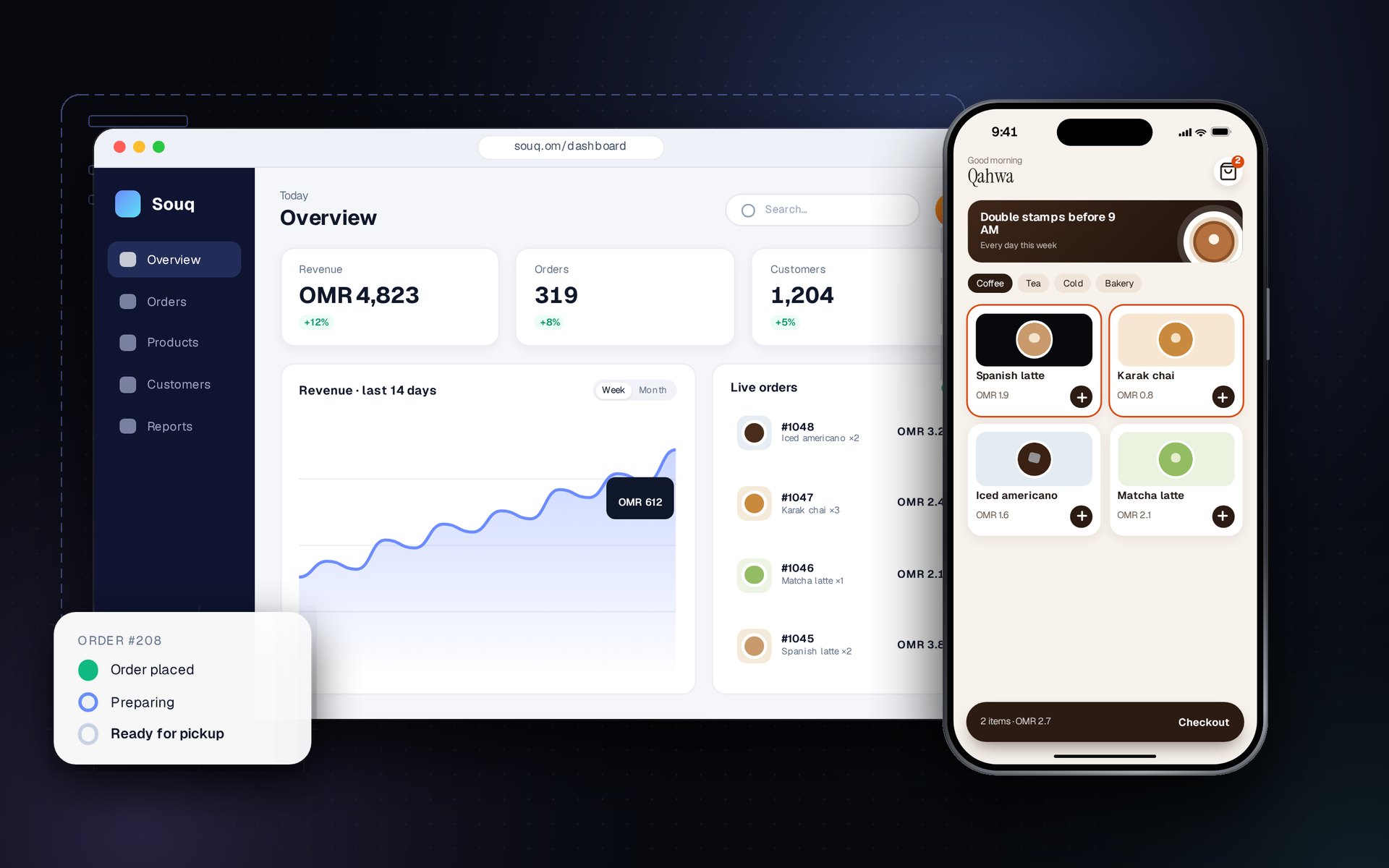
Right-to-left from day one: building bilingual products
Arabic and Persian are not an afterthought. What changes when a product is designed for right-to-left languages from the very first screen.
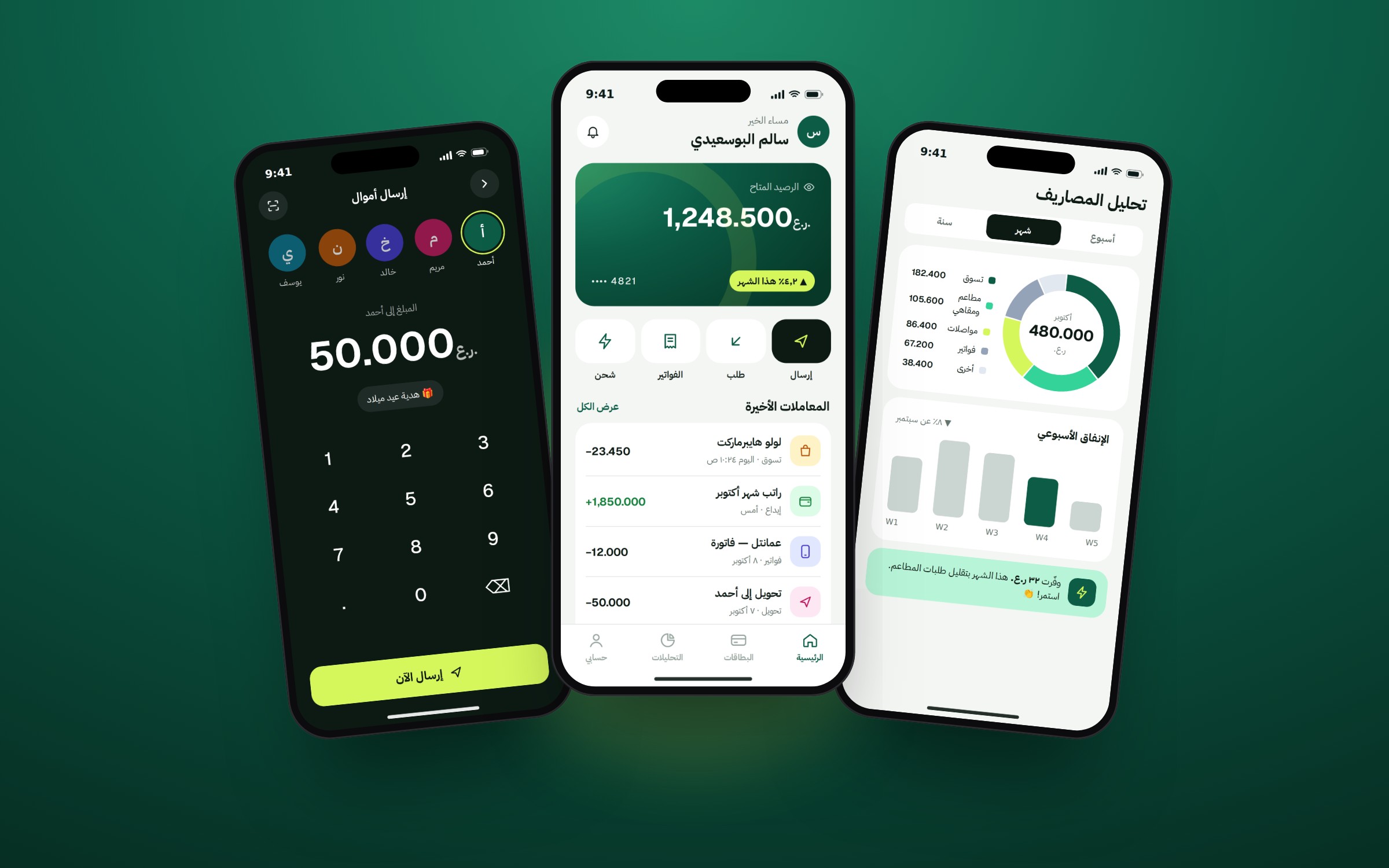
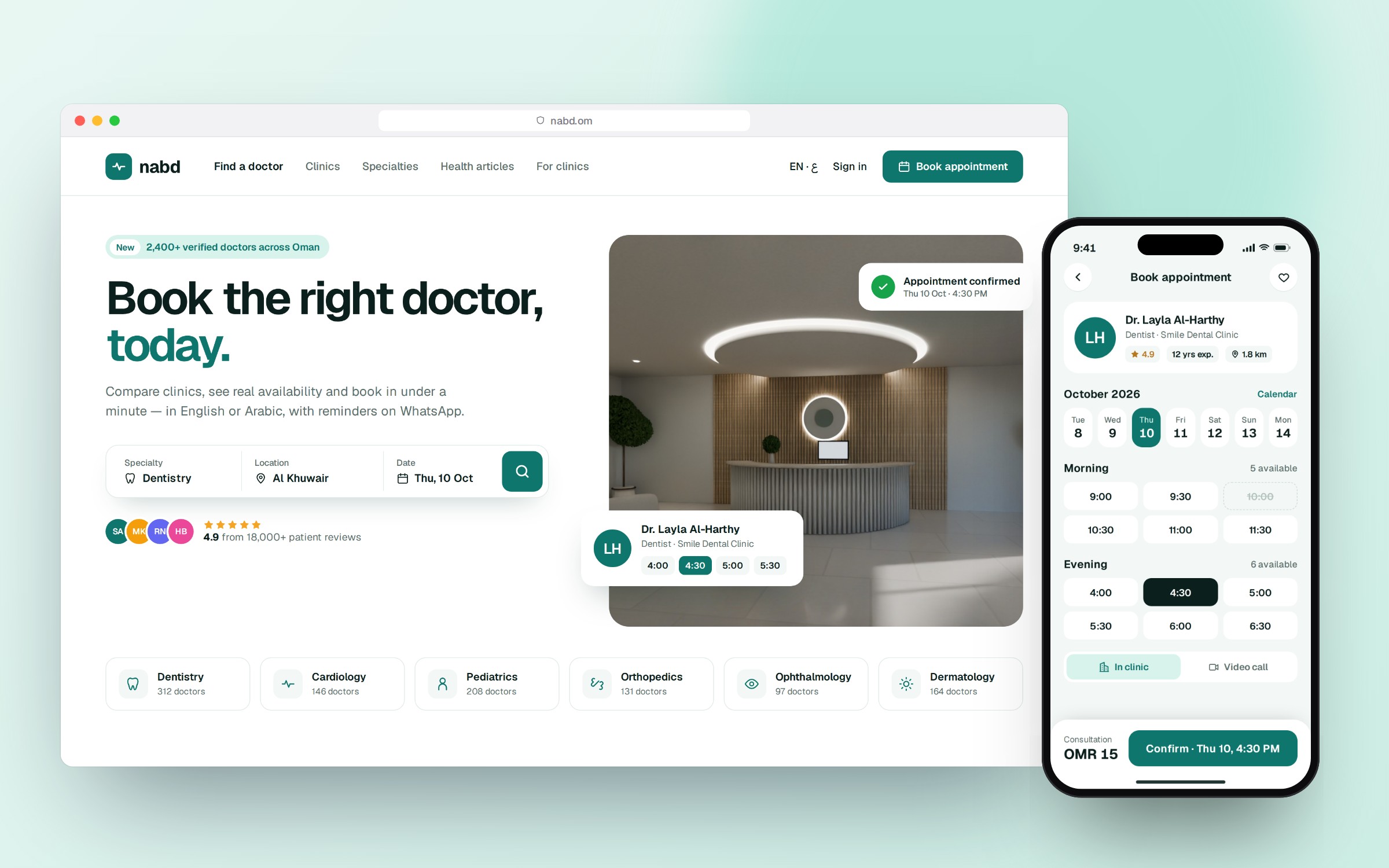
Many products are designed in English and “translated” into Arabic at the end. The result is familiar: icons pointing the wrong way, numbers that break sentences, and layouts that feel mirrored rather than designed. Building right-to-left support in from the start costs little and changes everything.
Layouts that flip by themselves
We build interfaces with logical properties — start and end instead of left and right — so one layout works in both directions. Navigation, forms and carousels follow the reading direction automatically.
Typography that respects each script
Arabic and Persian need their own typefaces, line heights and sizes to read comfortably. We pair fonts deliberately so that a headline feels equally strong in every language.
Numbers, dates and names
Persian uses its own digits and the Solar Hijri calendar; Arabic content may use Arabic-Indic or Western digits. We format numbers, dates and currencies per language rather than hard-coding one format.
Content that is written, not translated
Finally, every language deserves its own copy. Our systems store each text in all three languages side by side, so nothing falls back to English by accident — and search engines index every version properly.